Published by: Cut The Waste Research Team
Category: Commercial Sustainability & Waste Reduction
Reading Time: 8 min
Across North America, personal care facilities; including hair salons, barbershops, nail studios, and day spas; form a vital part of local commercial economies. However, maintaining strict infection control protocols requires significant chemical sanitation. Every state board of cosmetology enforces strict hygiene standards, mandating that tools like shears, combs, clippers, and guards be fully disinfected between every client.
While non-negotiable for public health, traditional daily sanitation routines generate a massive, hidden stream of commercial plastic waste and supply chain carbon emissions.
At Cut The Waste, our goal is to help businesses transition from linear, single-use operations to circular models. By evaluating how daily operational supplies are manufactured, packaged, and transported, service-based businesses can eliminate substantial plastic waste at the source while maintaining compliance with state health boards.
1. The Anatomy of Commercial Liquid Disinfectant Waste
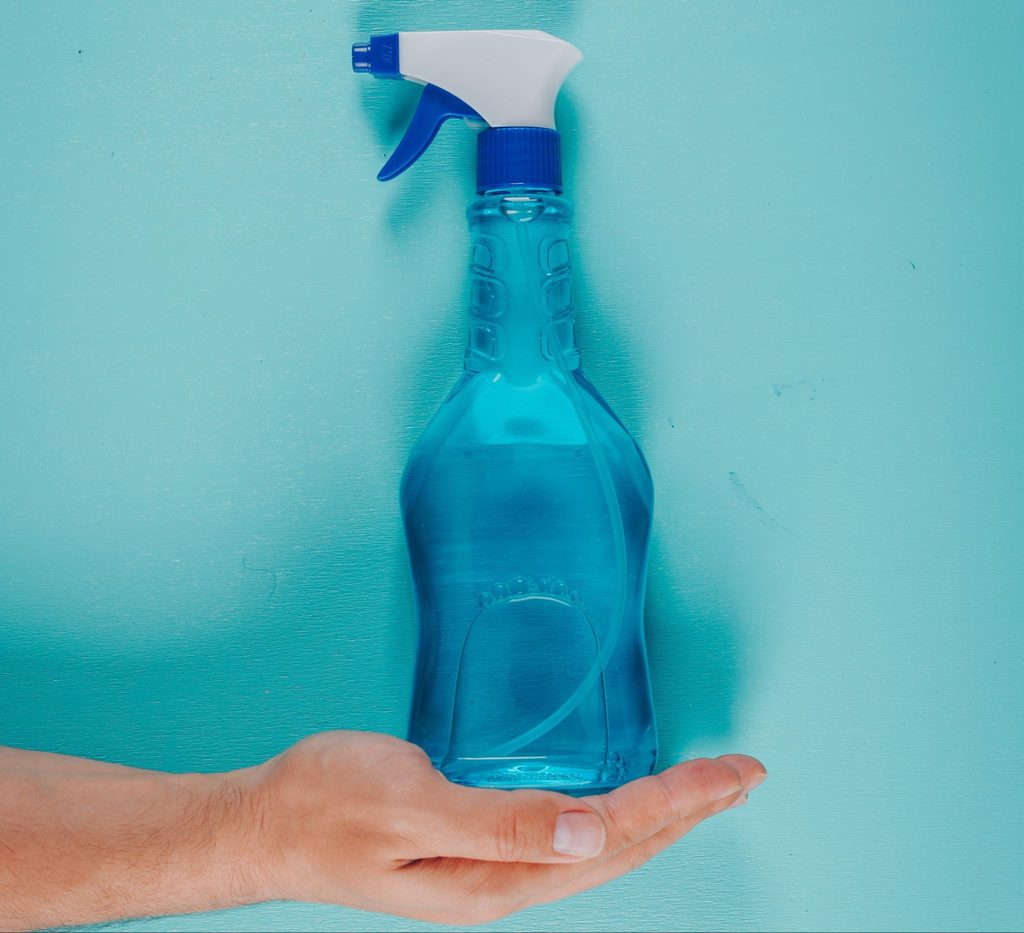
For decades, the standard procedure for tool sanitization has relied on ready-to-use or concentrated liquid disinfectants packaged in heavy, high-density polyethylene (HDPE) jug containers.
A. Packaging Waste & Landfill Fate
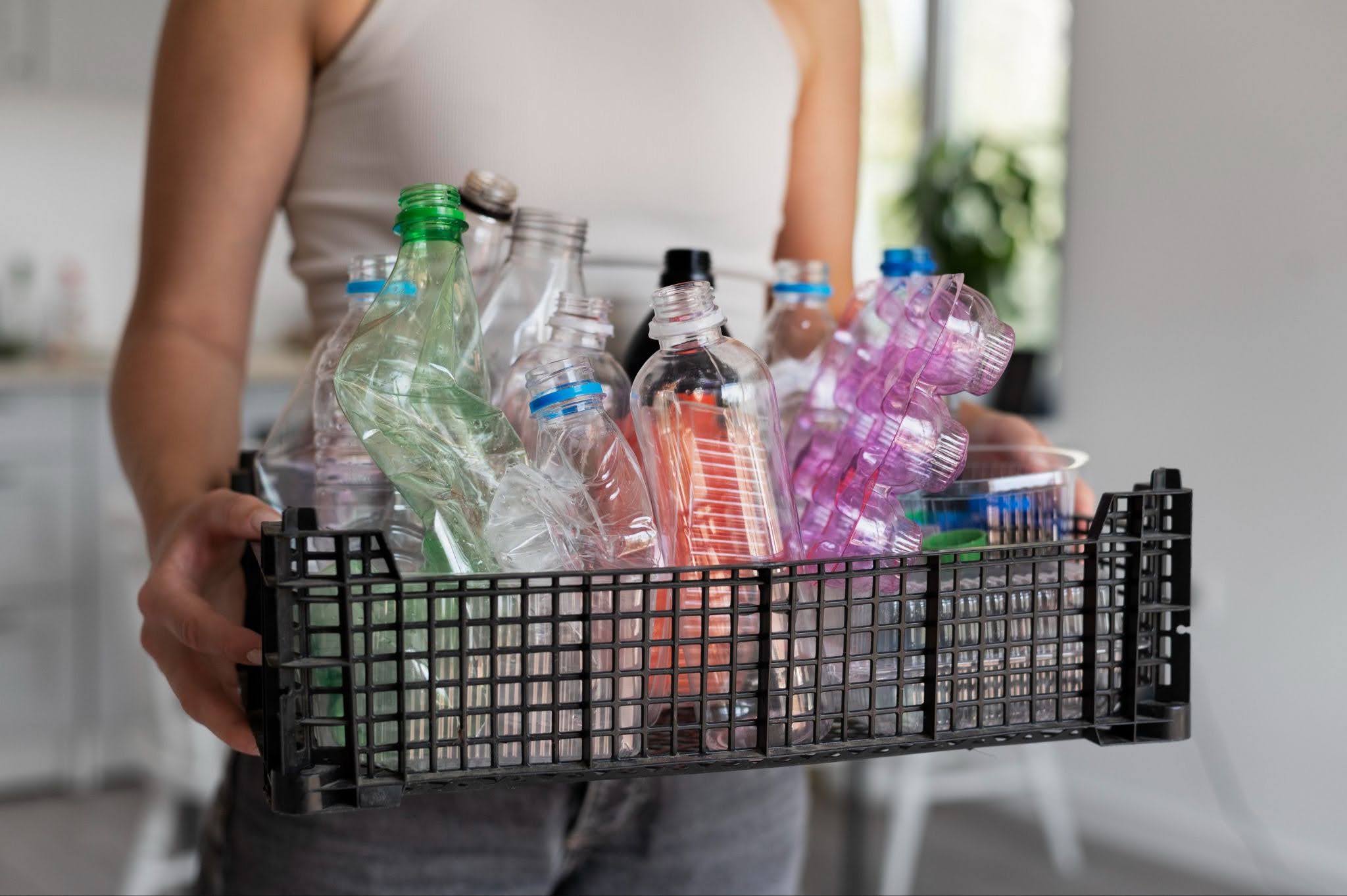
Traditional gallon-sized chemical containers are constructed from thick HDPE plastic. While HDPE is theoretically recyclable, municipal Material Recovery Facilities (MRFs) frequently reject chemical packaging due to residual product contamination or localized recycling capabilities. As a result, hundreds of thousands of heavy plastic jugs from the beauty and personal care sector end up directly in municipal landfills or incinerators every year.
B. The Environmental Cost of Freight Emissions
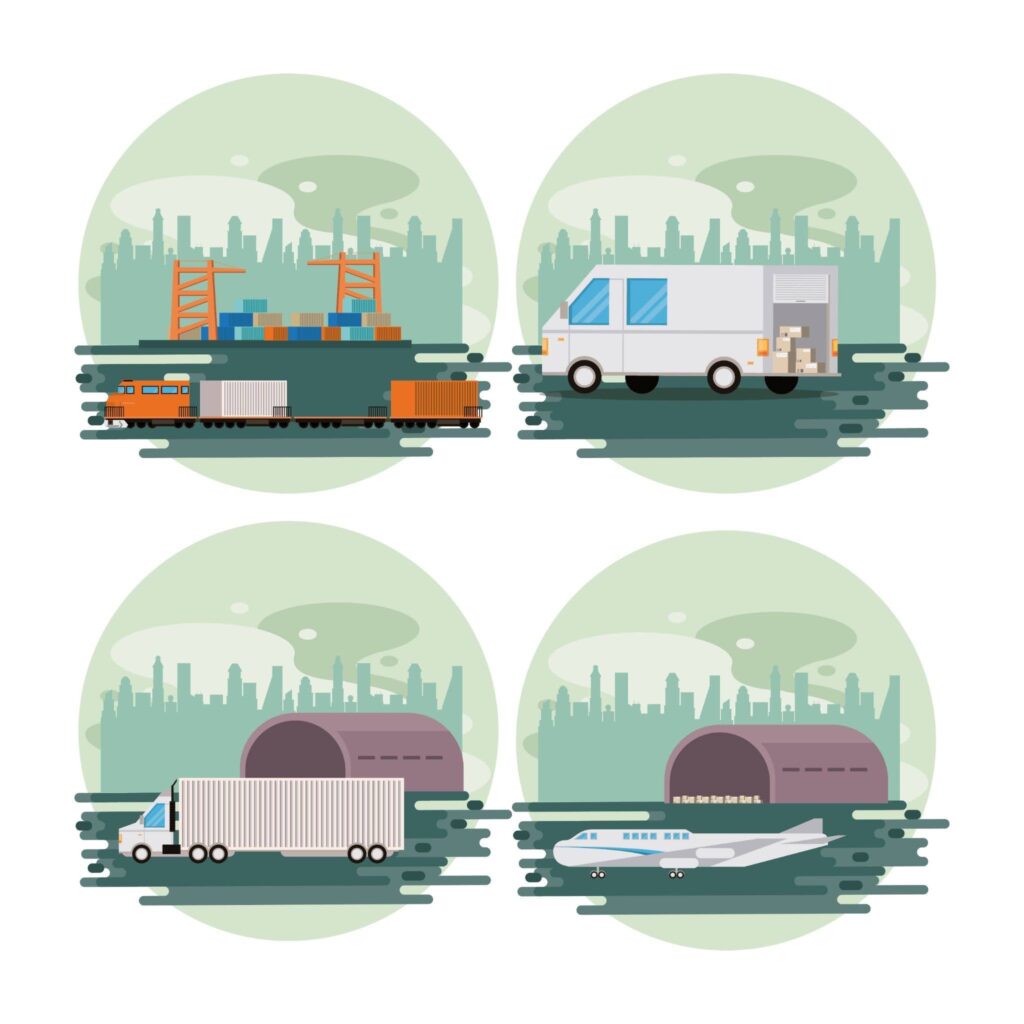
Standard liquid cleaning solutions are composed of up to 90% water. When a distributor or business orders standard liquid disinfectants, they are paying to transport municipal tap water wrapped in heavy plastic across national distribution networks.
Water weighs approximately 8.34 pounds (3.78 kg) per gallon. Transporting millions of gallons of pre-mixed liquid across heavy freight networks requires substantial fuel consumption, resulting in elevated Scope-3 greenhouse gas emissions.
2. The Science of Concentrated Pod Technology
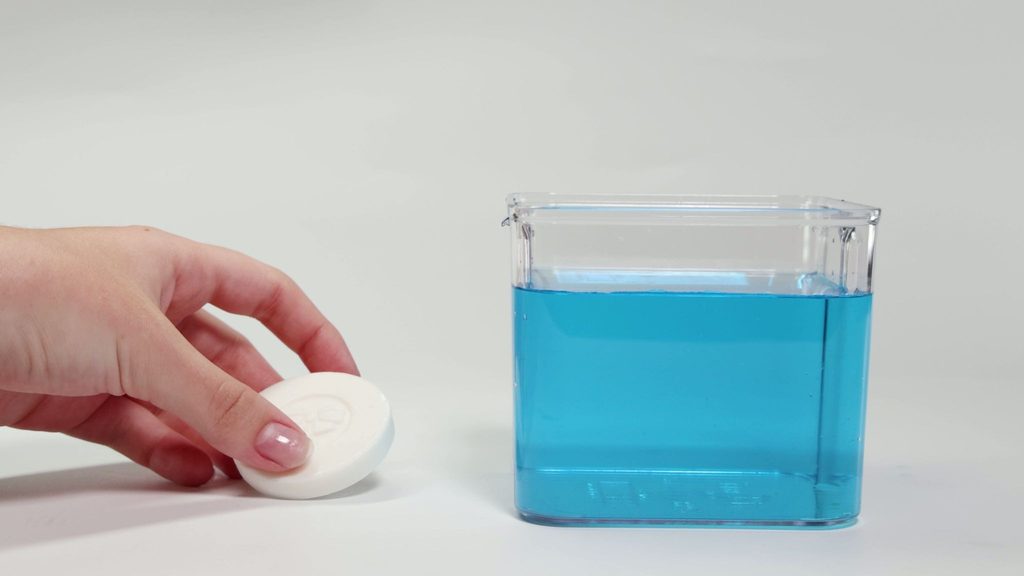
To address these inefficiencies, sustainable chemical engineering has introduced water-soluble, concentrated pod technology to professional sanitization. Instead of manufacturing, packaging, and shipping water weight across the country, waterless pods encapsulate active, hospital-grade ingredients in a thin, biodegradable film.
How Pod Dissolution Works
- Zero Water Freight: Pods ship as concentrated active solid ingredients, cutting shipping weight and fuel burn by up to 80–90%.
- On-Site Activation: Shop staff fill reusable sanitation jars or spray bottles with standard municipal tap water on-site.
- Biodegradable Film Dissolution: The pod wrapper dissolves completely in water within seconds, releasing the pre-measured disinfectant compound without leaving microplastics or packaging residue behind.
By eliminating single-use jugs and shifting to an “add-water-at-point-of-use” model, personal care facilities significantly lower their environmental footprint without altering their daily sanitization schedules.
3. Operational Safety, Compliance, and Dosing Accuracy
When evaluating green alternatives, facility owners often worry whether sustainable solutions meet rigorous health code standards. In professional settings, sanitization products must maintain hospital-grade efficacy.
A. Regulatory Compliance & Efficacy
Hospital-grade disinfectant pods are engineered to meet strict regulatory criteria, offering broad-spectrum bactericidal, virucidal, and fungicidal protection. When dissolved according to directions, these solutions destroy pathogens commonly found on personal care tools, fully satisfying state cosmetology board requirements.
B. Preventing Chemical Over-Pouring & Municipal Runoff
Manual liquid pouring often leads to improper dilution ratios:
- Over-mixing wastes chemical concentrate, increases operational costs, and disposes of high chemical concentrations into municipal wastewater systems.
- Under-mixing compromises sanitation efficacy, exposing clients to cross-contamination risks.
Pre-measured pods remove human error from the dilution process. Each pod contains the exact dosage required for standard sanitizing jars, ensuring consistent germicidal activity while preventing excess chemical runoff into local waterways.
4. Comparing Operational Metrics: Traditional Jugs vs. Concentrated Pods
| Operational Factor | Traditional Liquid Disinfectants | Concentrated Pod Systems |
| Primary Packaging Waste | Bulky, non-biodegradable HDPE plastic jugs | Compact, recyclable containers with dissolvable films |
| Transport Footprint | High carbon footprint (shipping 90% water weight) | Low carbon footprint (shipping active dry material only) |
| Dosing Precision | Manual pouring (prone to over/under-dilution) | Pre-measured exact dosing per pod |
| Storage Requirements | Requires extensive shelf & cabinet storage space | Compact; fits easily in small workstation drawers |
| Wastewater Protection | High risk of excess chemical discharge | Controlled dosing minimizes chemical overuse |
5. Step-by-Step Guide: Conducting a Salon Waste Audit
Transitioning to pod-based disinfection is just one piece of a comprehensive workplace waste reduction plan. Use this step-by-step checklist to audit and streamline your facility’s daily operations:
Step 1: Track Your Monthly Container Waste
Count the total number of single-use plastic jugs, spray bottles, and cleaning containers your shop disposes of each month. Multiply that by 12 to calculate your shop’s annual container output.
Step 2: Transition High-Volume Workstations to Circular Alternatives
Swap out single-use items at styling and washing stations:
- Replace single-use plastic neck strips with compostable paper or reusable silicone neck collars.
- Replace heavy liquid disinfectants with pre-measured, waterless pod systems.
- Switch to aluminum or post-consumer recycled (PCR) plastic spray bottles for water and styling products.
Step 3: Optimize Utility & Resource Usage
- Install low-flow, high-pressure aerators on shampoo bowls to reduce water usage by up to 40%.
- Use cold-water washing cycles and eco-certified detergents for shop towels and capes.
Implementing these continuous improvements allows your facility to reduce waste, control operating expenses, and demonstrate environmental leadership to your clients.
Cut The Waste Mission & Affiliate Disclosure
Cut The Waste is dedicated to providing unbiased, educational content and resources that empower businesses and communities to make sustainable choices and reduce their environmental footprint. To sustain our research, advocacy, and educational resource development, we participate in affiliate programs for select eco-friendly operational products and tools featured on our platform.
Affiliate Disclosure: When you utilize a link provided on this page and choose to obtain a product, the resulting support directly fuels our mission. This revenue is reinvested entirely into our core work:
- Promoting Waste Reduction Awareness: Funding the research required to educate workplaces and communities on zero-waste strategies and low-impact operational choices.
- Advocating for Circular Supply Chains & Sustainable Standards: Supporting our efforts to advocate for plastic-free packaging, reusable systems, and eco-friendly standards across commercial industries.
It is the duty and purpose of Cut The Waste to empower organizations by offering resources that promote responsible material sourcing and sustainable waste management practices. Your support enables us to ensure businesses can confidently navigate the market and make decisions that protect our environment for long-term sustainability.
Thank you for helping us champion zero-waste initiatives and environmental stewardship.